01 / Cloud atlas

A language
of the sky.

Ten cloud genera. Real photographs, original diagrams, and the details that help you recognise what is overhead.

Atmosphere / Field guideEarth science, made visible
10 cloud genera shownPhotography + scientific schematics
Cirrus cloud photographCi
High / Cloud genusGenus Cirrus

Cirrus

Thin, feather-like strands made largely of ice crystals. Their delicate structure is shaped by winds high in the troposphere.

Typical level
5–13 km
Look for
Fine filaments; a fibrous or silky appearance.
Compare with the schematic

Original schematic illustration of Cirrus; not a photograph
Schematic illustration · Not a photograph
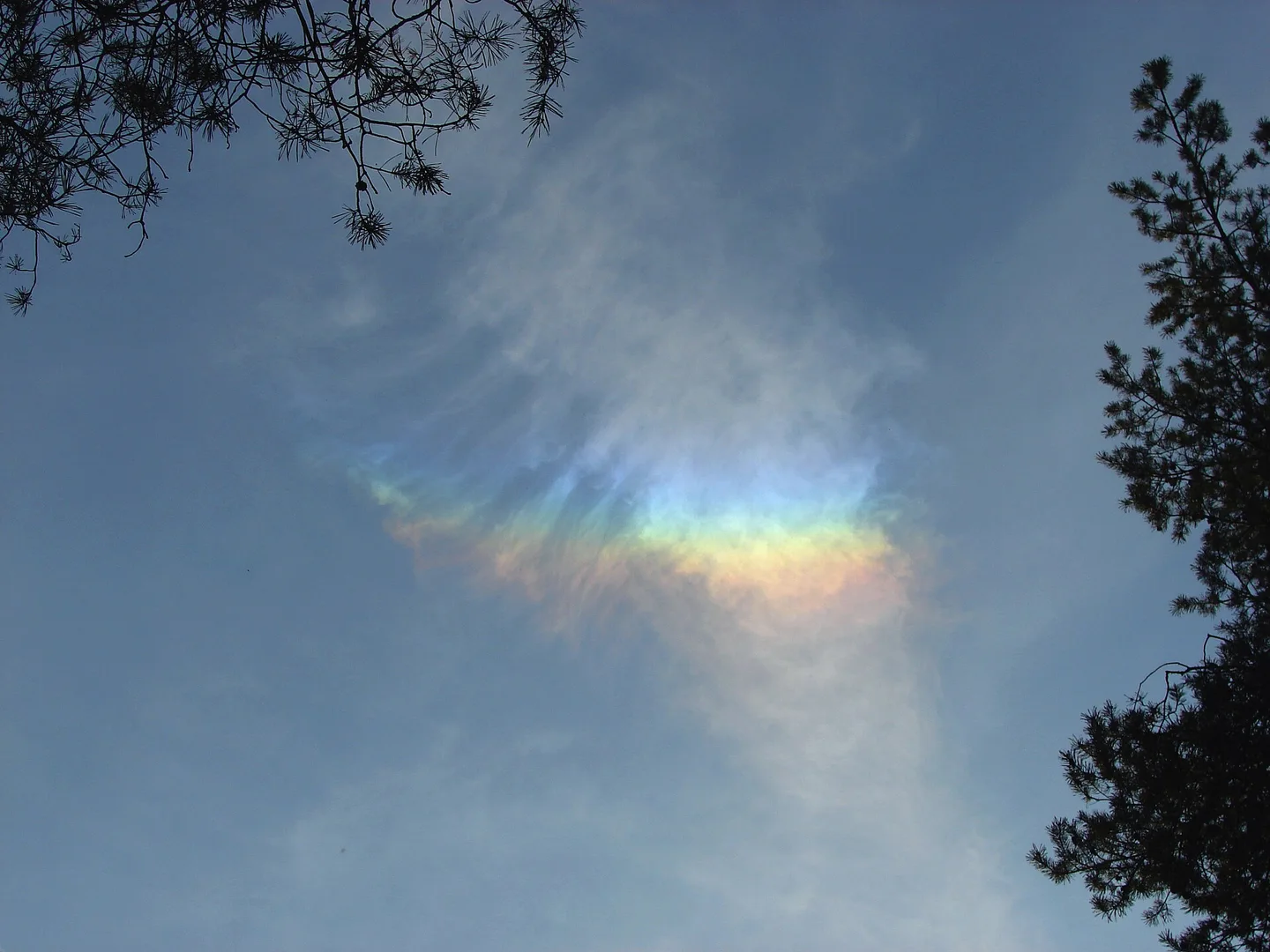
Cirrostratus cloud photographCs
High / Cloud genusGenus Cirrostratus

Cirrostratus

A widespread, translucent veil of ice cloud. It can produce a halo around the Sun or Moon.

Typical level
5–13 km
Look for
A thin veil, sometimes accompanied by an ice-crystal halo.
Compare with the schematic
Original schematic illustration of Cirrostratus; not a photograph
Schematic illustration · Not a photograph
Cirrocumulus cloud photographCc
High / Cloud genusGenus Cirrocumulus

Cirrocumulus

Small white grains or ripples arranged in bands and patches, usually without obvious shading.

Typical level
5–13 km
Look for
Small ripples or grains with little apparent shading.
Compare with the schematic
Original schematic illustration of Cirrocumulus; not a photograph
Schematic illustration · Not a photograph
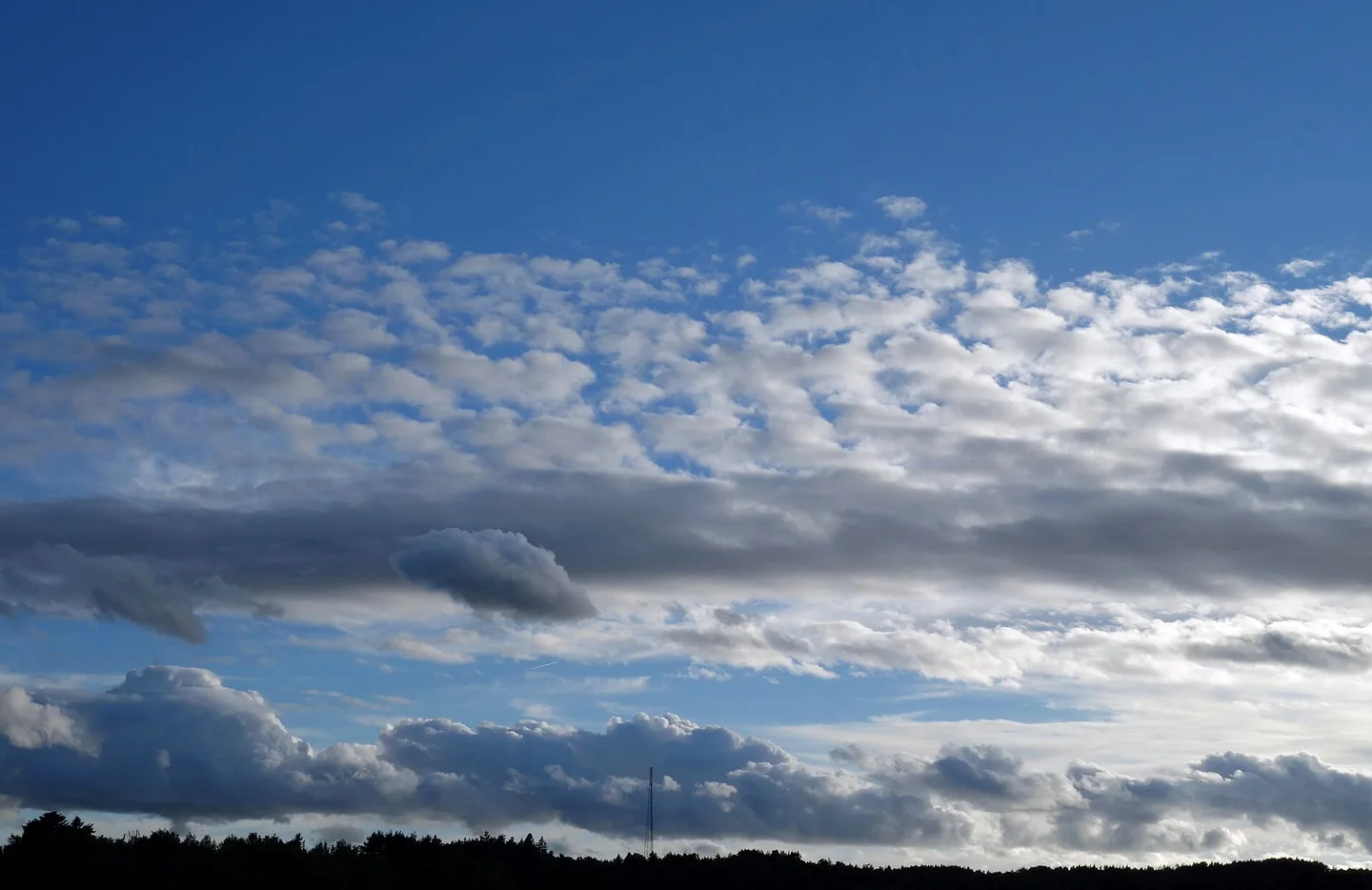
Altocumulus cloud photographAc
Middle / Cloud genusGenus Altocumulus

Altocumulus

Rounded elements often assembled in sheets or rows. They can reveal instability and moisture at middle levels.

Typical level
2–7 km
Look for
Rounded patches, rolls or rows, often with shaded elements.
Compare with the schematic
Original schematic illustration of Altocumulus; not a photograph
Schematic illustration · Not a photograph
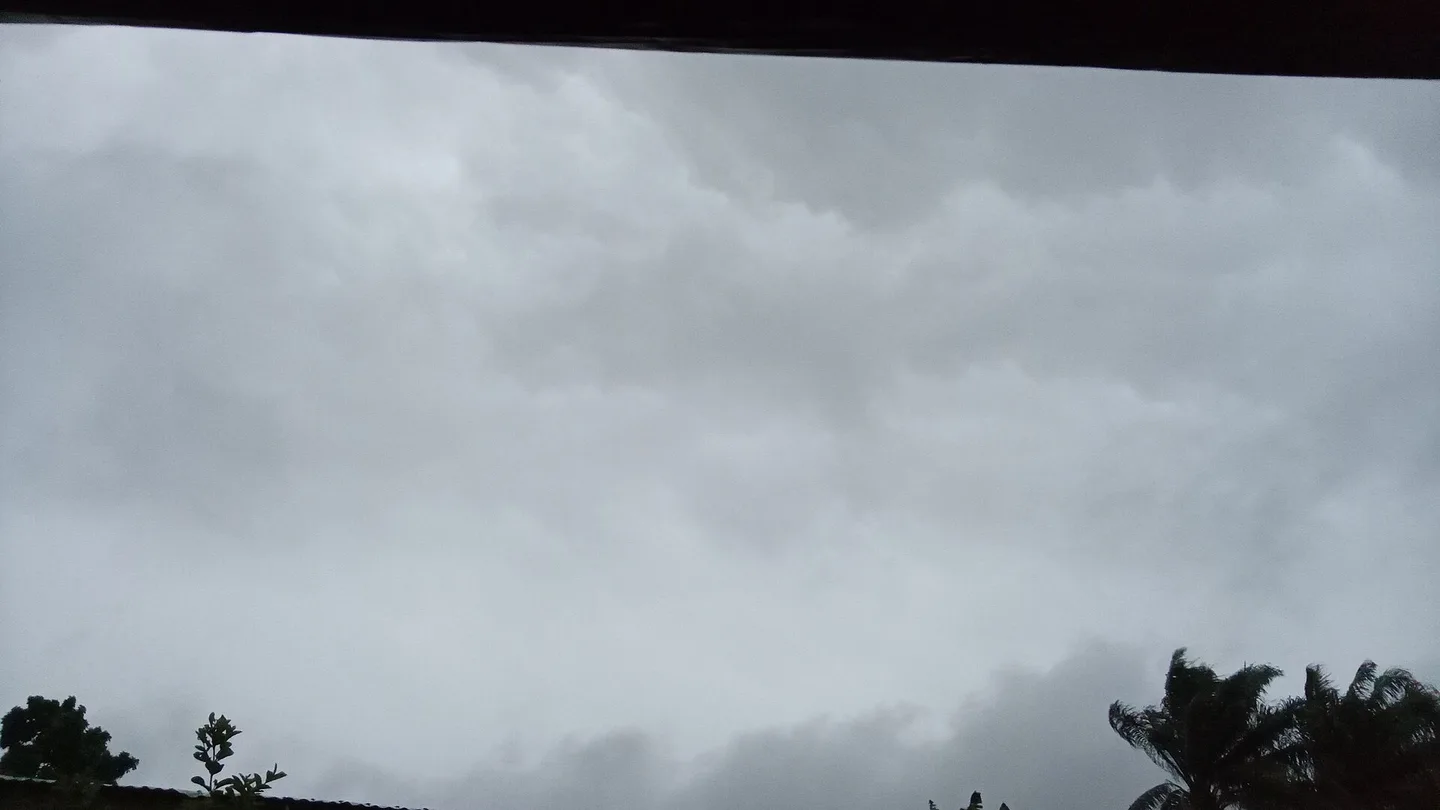
Altostratus cloud photographAs
Middle / Cloud genusGenus Altostratus

Altostratus

A gray or blue-gray layer that partly or completely covers the sky, sometimes obscuring the Sun.

Typical level
2–7 km
Look for
An extensive grey or blue-grey sheet.
Compare with the schematic
Original schematic illustration of Altostratus; not a photograph
Schematic illustration · Not a photograph
Nimbostratus cloud photographNs
Layered / Cloud genusGenus Nimbostratus

Nimbostratus

A thick, dark cloud layer associated with sustained rain or snow over broad areas.

Typical level
Middle; spans other levels
Look for
A thick precipitation-bearing layer with a diffuse base.
Compare with the schematic

Original schematic illustration of Nimbostratus; not a photograph
Schematic illustration · Not a photograph
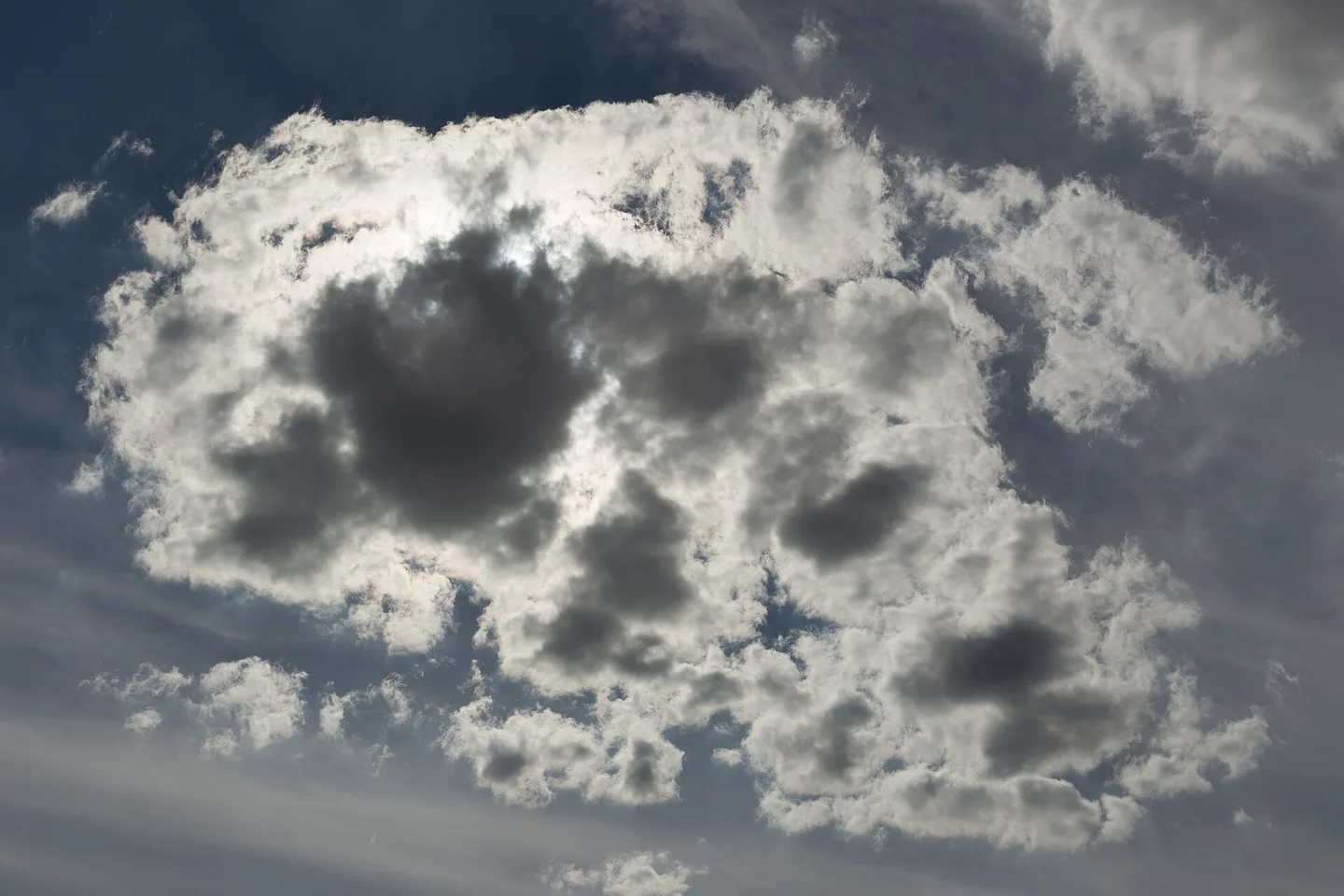
Stratocumulus cloud photographSc
Stratus cloud photographSt
Low / Cloud genusGenus Stratus

Stratus

A uniform low deck that can resemble fog lifted above the ground; drizzle may occur.

Typical level
Surface–2 km
Look for
A relatively uniform low sheet, sometimes resembling lifted fog.
Compare with the schematic
Original schematic illustration of Stratus; not a photograph
Schematic illustration · Not a photograph
Cumulus cloud photographCu
Low / vertical / Cloud genusGenus Cumulus

Cumulus

Detached clouds with distinct edges, flat bases and cauliflower-like tops formed by rising air.

Typical level
Base usually below 2 km
Look for
Detached heaps, defined edges and flatter bases.
Compare with the schematic

Original schematic illustration of Cumulus; not a photograph
Schematic illustration · Not a photograph
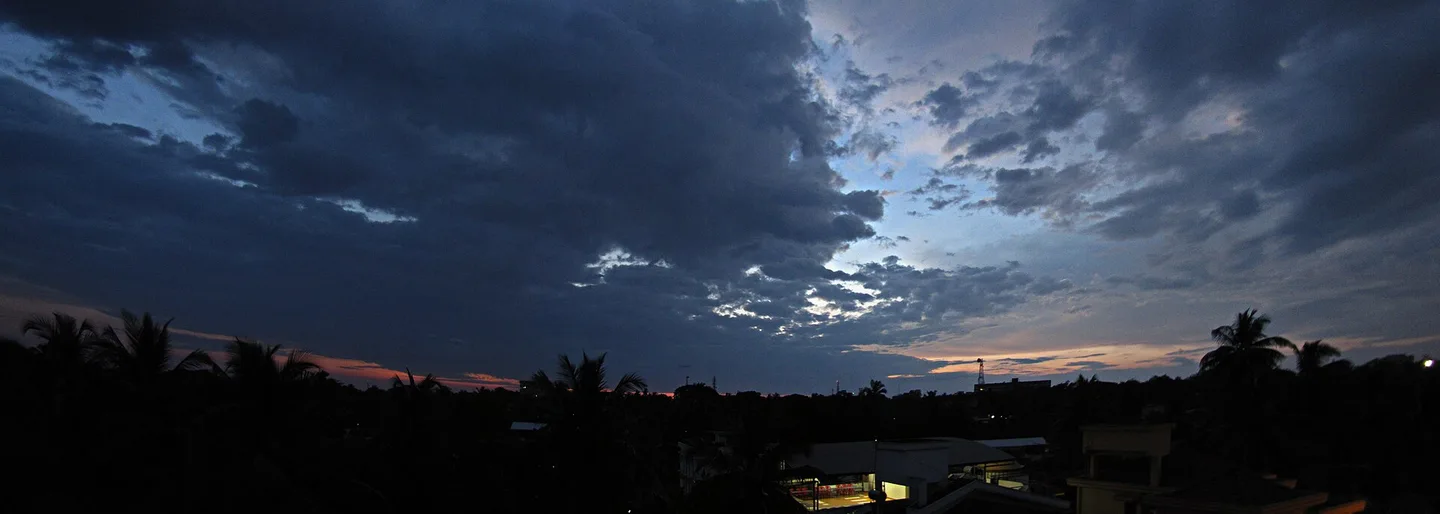
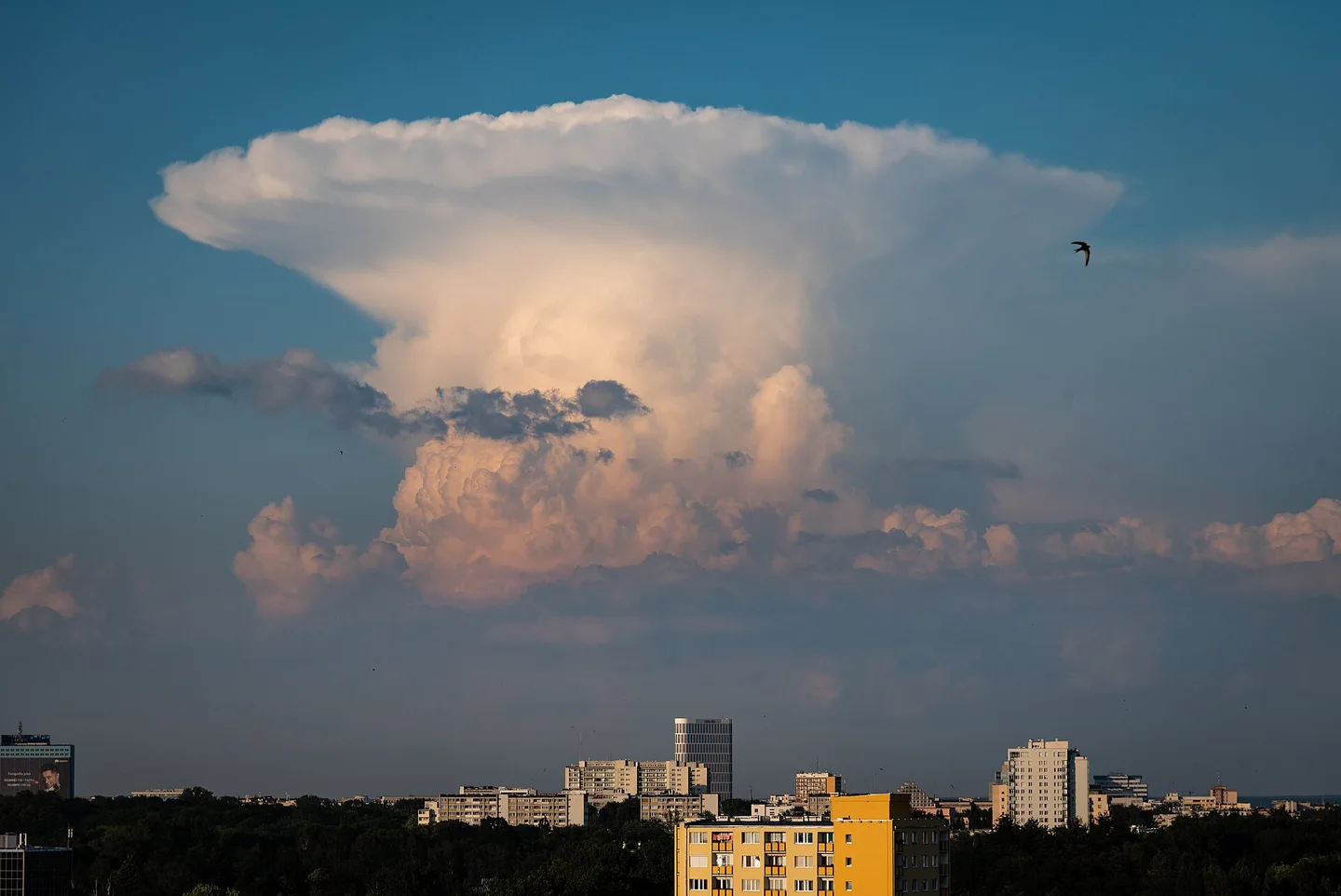
Cumulonimbus cloud photographCb
Vertical / Cloud genusGenus Cumulonimbus

Cumulonimbus

Deep storm clouds with strong updrafts, often spreading into a broad anvil near the tropopause.

Typical level
Base usually below 2 km
Look for
A deep storm tower, often with a spreading anvil.
Compare with the schematic

Original schematic illustration of Cumulonimbus; not a photograph
Schematic illustration · Not a photograph
Observe, then interpret

Shapes are clues,
not a forecast.

Cloud names describe what you can observe. Weather emerges from the changing atmosphere around them.

Read the field guide